
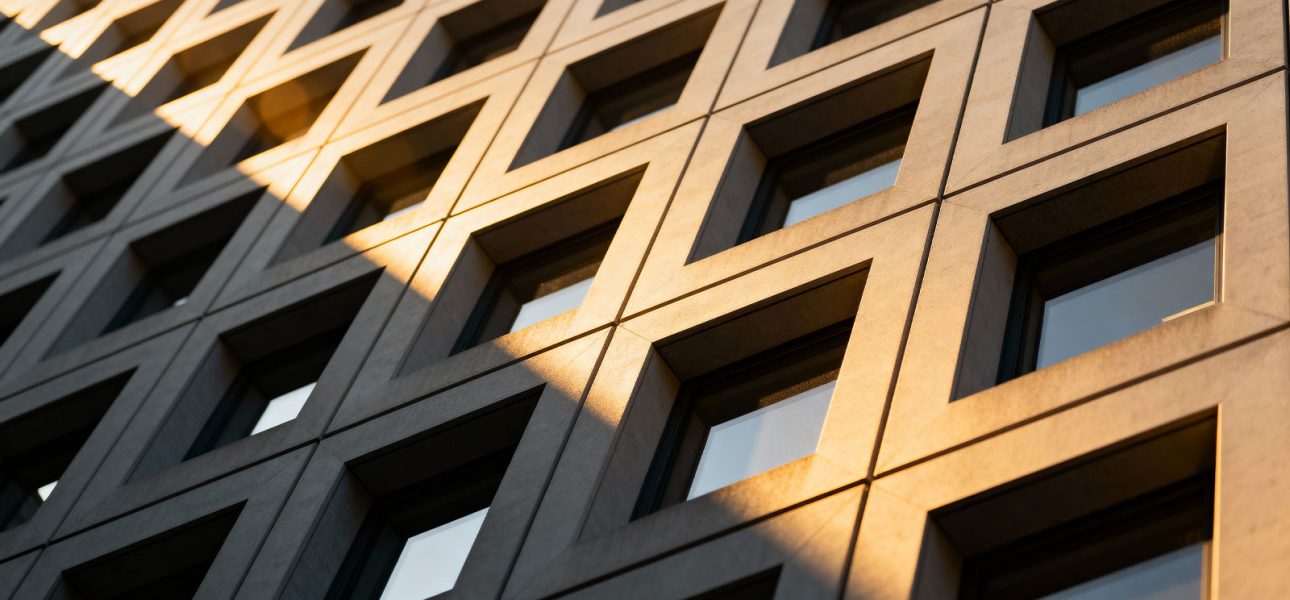
Today, both aesthetic and economic solutions are at the forefront of the construction sector. Composite panel facade cladding systems stand out as one of the best applications addressing this need.
Durability and Application Advantages
Composite panels consist of a core material placed between two aluminum sheets. This structure results in a material that is both lightweight and highly durable. Its lightness accelerates the installation process while keeping the load on the structure at a minimum level.
Composite panels also exhibit high resistance to external factors. They are resistant to UV rays and do not fade in color. They maintain their performance for many years against weather conditions such as rain, snow, and wind. This also reduces maintenance costs.
Ease of installation is one of the biggest advantages of this system. Its quick application provides a significant advantage, especially in projects where time is critical. Additionally, damaged panels can be easily replaced.
Aesthetic and Insulation Performance
One of its most important advantages is offering a wide range of color and texture options. Thanks to wood, metallic, matte, or glossy surface options, it easily adapts to different architectural styles. This provides a significant opportunity to reflect brand identity, especially in commercial buildings.
It also makes significant contributions to thermal and sound insulation. When applied correctly, it enhances indoor comfort and helps save energy. Furthermore, it is preferred for safety due to its fire-resistant options.
Conclusion
Composite panel facade cladding systems offer aesthetic, durable, and economic solutions together, creating a strong alternative in modern construction projects. It provides a long-lasting and efficient solution in terms of both visual quality and technical performance.